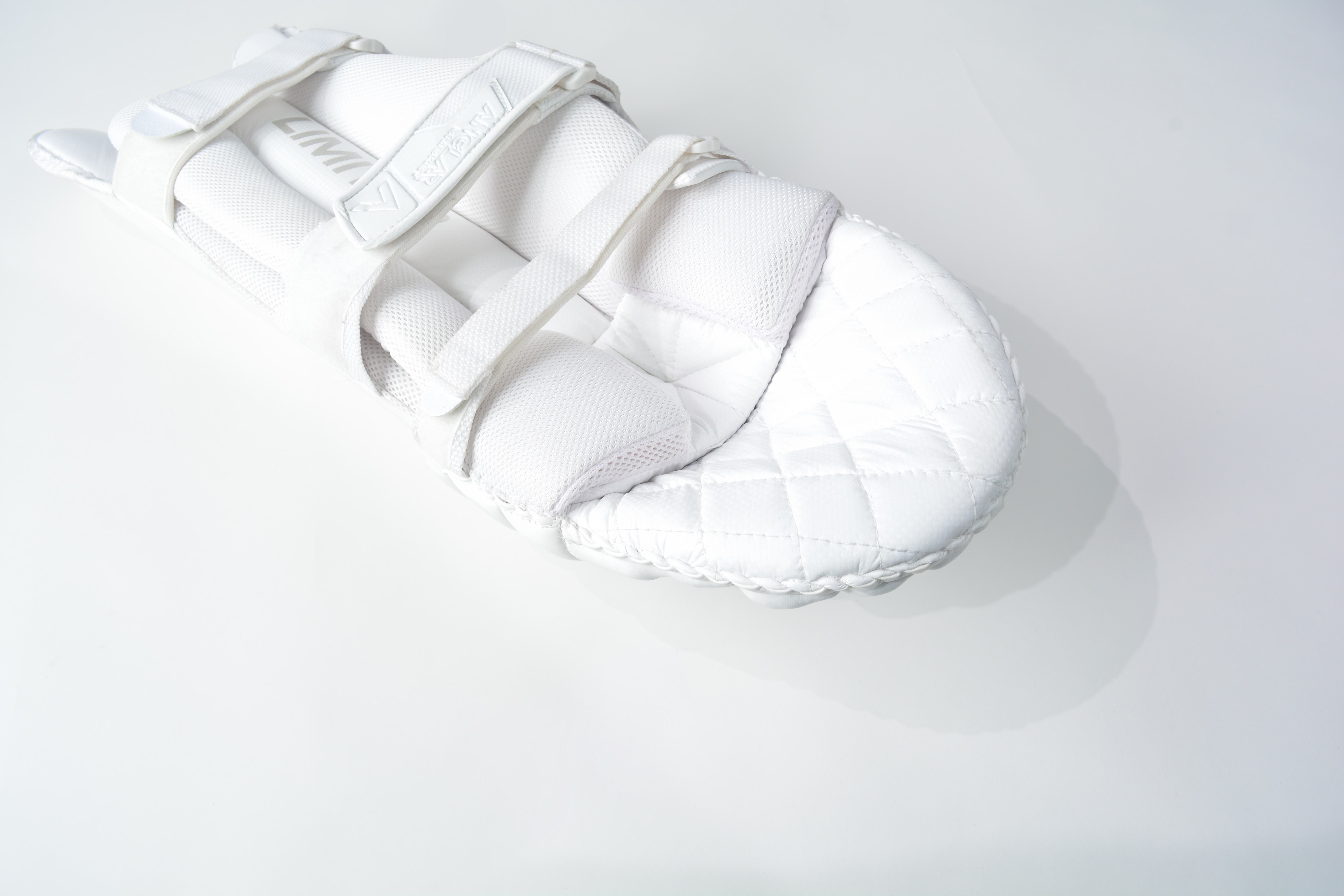
Cricketers protect themselves against fast bowling by combining sound technique with correctly fitted cricket pads, a helmet, batting gloves, an abdominal guard and additional body protection where needed. No equipment removes every risk, but properly chosen gear helps absorb impact and protects vulnerable areas without preventing the batter from moving naturally.
Why Are Cricket Pads Important Against Fast Bowling?
Cricket leg Guard , also called leg guards, protect the batter’s knees, shins and the lower area above the knee from direct ball impact. Fast bowlers can deliver full-length balls and yorkers that strike the legs before the batter completes a shot. Pads create a protective barrier between the hard cricket ball and the lower leg.
Leg guards are standard protective equipment for batters at every level, from school and academy cricket to professional matches.The Marylebone Cricket Club, which maintains the Laws of Cricket, recognises external leg guards as permitted protective equipment for batters. Anglar Sports states that its cricket pads use a combination of foam and cane rods. Cane provides structure, while foam helps cushion the impact and improve wearing comfort.
How Should Cricket Batting Pads Fit?
A good fit keeps the knee behind the padded knee section and prevents the leg guard from turning during movement.
Put the pads on with your batting shoes and trousers. Walk, bend your knees and practise a few strokes. The straps should hold each pad securely without restricting circulation or digging into the back of your leg. Check these points before buying:
- · The knee sits centrally inside the knee protection
- · The pad covers the shin from above the shoe to above the knee
- · The straps remain secure without excessive pressure
- · The pad does not rotate while running
- · The pair feels balanced in your batting stance
Pads that are too large can interfere with footwork. Pads that are too small may leave part of the knee or shin exposed.
What Other Protection Does a Batter Need?
Leg guards are only one part of a batter’s protective equipment. Players facing a hard cricket ball should also consider:
- · A correctly fitted helmet with a faceguard
- · Batting gloves
- · An abdominal guard
- · Thigh and inner-thigh protection
- · A forearm or chest guard when appropriate
The England and Wales Cricket Board recommends that adult recreational players wear a helmet with a faceguard when batting against a hard ball in matches and practice.
For international cricket, the ICC states that a helmet worn by a batter must comply with British Standard BS 7928:2013 + A1:2019. Players buying a new helmet should check its label for the
relevant standard and ball size.
Does More Padding Always Mean Better Protection?
No, not necessarily. Heavier protection may provide more coverage, but bulky equipment can restrict movement or feel uncomfortable during a long innings.
Lighter cricket batting pads may support quicker running and easier footwork, but protection should never be sacrificed simply to reduce weight. The right choice balances coverage, fit, comfort and freedom of movement. Young players should use equipment made for their size rather than oversized adult gear. A coach can help check the fit before the player faces fast bowling.
Can Protective Equipment Prevent Every Injury?
No, protective gear reduces risk but cannot make batting completely injury-free. A ball can strike an uncovered area, equipment can move, or a player can be injured while running or diving. Batters still need to watch the ball, practise against increasing pace gradually and avoid facing bowling beyond their current skill level without qualified coaching.
How Often Should Cricket Pads Be Checked?
Inspect your pads before matches and net sessions. Look for cracked protection, compressed padding, loose stitching, damaged straps or fasteners that no longer hold firmly.
Replace Cricket Leg Pad when damage affects their fit, coverage or ability to stay secure. Choosing well-fitted protection and maintaining it properly allows you to concentrate on the bowler rather than worrying about your equipment.