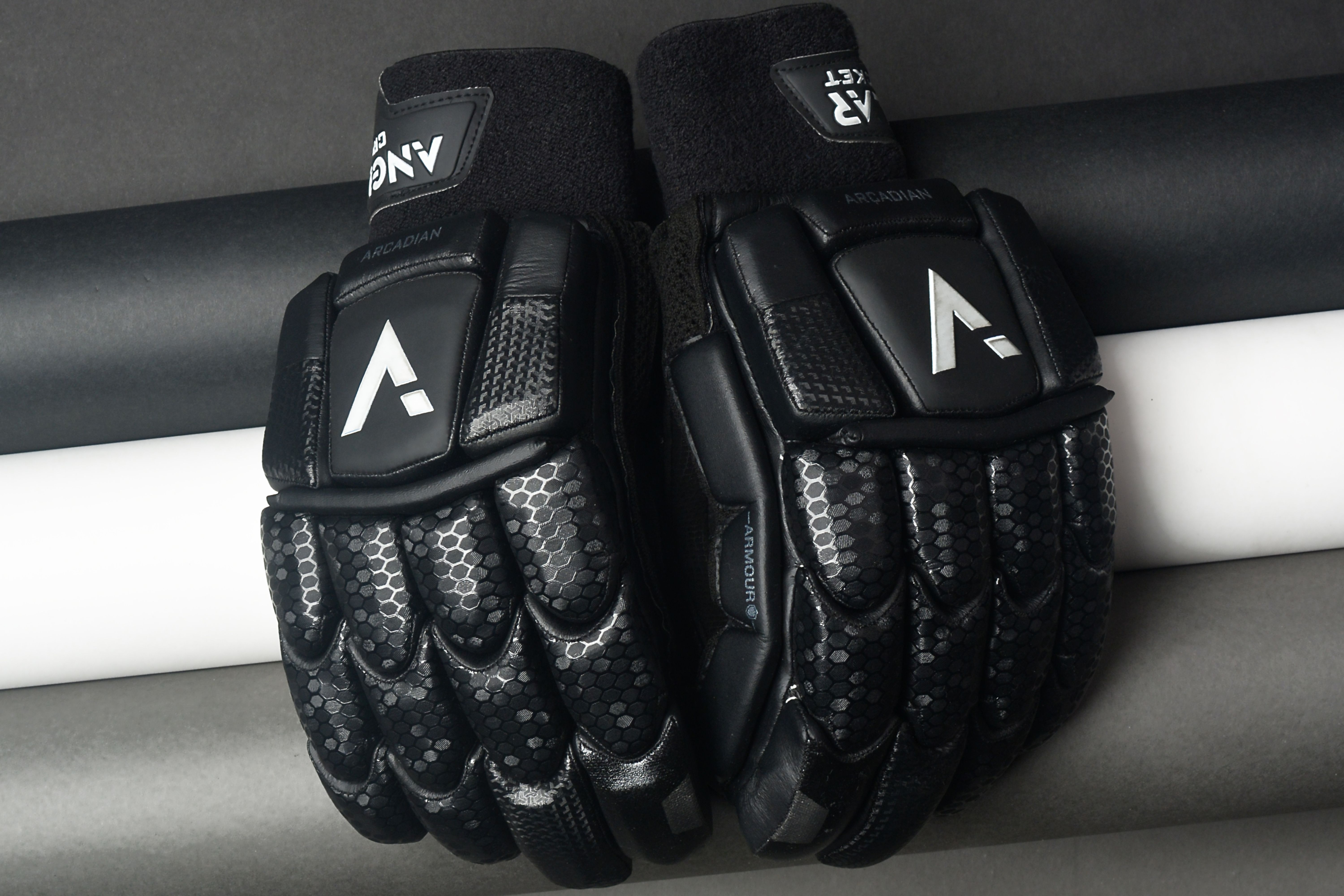
Well-fitted cricket gloves help a batter hold the handle securely, move the hands naturally and protect the fingers from impact. A reliable grip reduces distractions such as slipping, bunching material or excessive pressure. This can support confidence, but gloves cannot replace sound batting technique, regular practice or a correctly maintained bat grip.
Why Does Grip Matter in Batting?
The hands connect the batter to the bat. If that connection feels unstable, the batter may tighten the grip too much or become hesitant during a shot.
A secure grip helps you control the bat through the backlift, downswing and follow-through. It also matters while adjusting to different deliveries. A defensive shot needs control, while an attacking stroke requires the hands to move freely through impact.
Confidence often comes from predictability. When the handle feels secure in your hands, you can concentrate on watching the ball and making a decision instead of worrying about the bat slipping.
How Do Cricket Batting Gloves Support Grip?
The palm of the glove sits directly between your hands and the bat handle. Its material, texture and fit influence how clearly you can feel and control the handle.
Anglar Sports lists Pittards leather and a hexagonal grip pattern among the features available across its cricket batting gloves. These features are intended to support palm comfort and handle grip. Good batting protection should:
- Sit securely without sliding around the hand
- Allow the fingers to bend around the handle
- Keep excess palm material from bunching
- Provide suitable protection across the fingers
- Close firmly at the wrist without restricting movement
The Marylebone Cricket Club recognises batting gloves as permitted external protective equipment for a batter.
Can the Wrong Glove Reduce Batting Confidence?
Yes, poorly fitting gloves can create small but distracting problems. Gloves that are too large may move around the hand or fold across the palm. This can weaken your feel for the handle. Gloves that are too tight may restrict finger movement and become uncomfortable during a longer innings.
Sweat and wear also affect grip. A smooth, damaged or damp palm may feel less secure. Carrying a spare pair can be useful during long matches or hot conditions, although this adds weight and cost to your kit.
How Should Cricket Gloves Fit?
Try the gloves while holding your normal bat. Do not judge the fit only by looking at your hands. Wrap both hands around the handle and play several controlled practice movements. Your fingers should bend comfortably, and the protective sections should remain in position.
For a right-handed batter, the right hand is normally the bottom hand. For a left-handed batter, the left hand is the bottom hand. ECB coaching guidance advises that the bottom-hand glove should have additional thumb protection.
Does a Tighter Bat Grip Create More Control?
Not always as holding the bat too tightly can create tension in the hands and forearms. That may make the bat feel harder to move and reduce your ability to adjust late.
The aim is a secure but comfortable hold. Your coach can help you check hand position and grip pressure because these vary slightly with technique and the shot being played.
When Should Batting Gloves Be Replaced?
Check your cricket gloves regularly for split seams, worn palms, damaged finger protection and loose wrist closures. Replacement is sensible when the gloves no longer stay secure, the palm has lost useful grip or the protective sections are damaged. Do not wait for the glove to fail during a match.
Can Gloves Alone Make a Batter More Confident?
No, equipment supports confidence, but it does not create it by itself. A batter still needs practice against different bowling styles, clear shot selection and trust in their technique.
The right cricket batting gloves remove one avoidable concern. When your hands feel protected and connected to the handle, you are better placed to focus on the delivery in front of you.