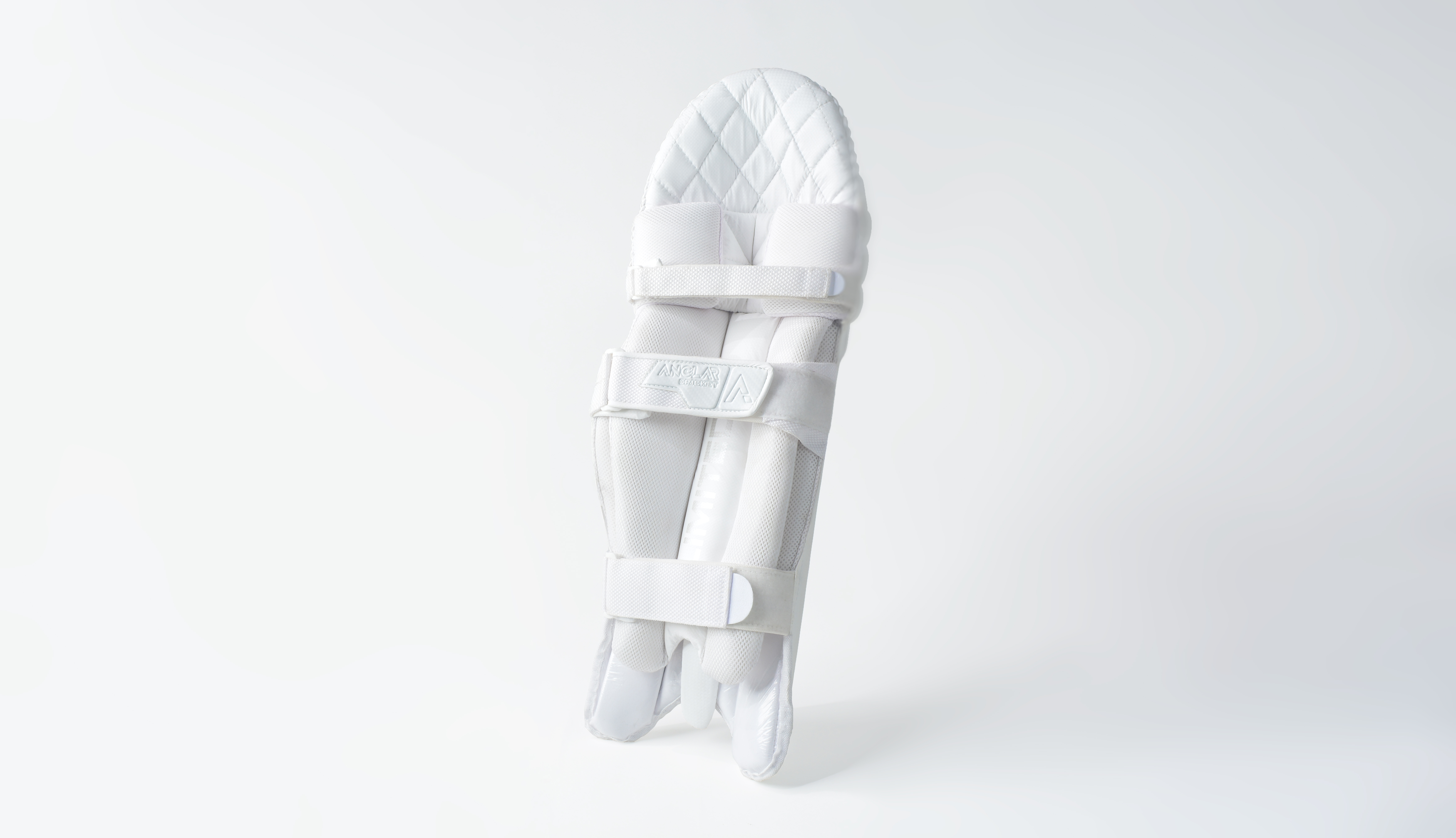
To look after cricket pads, wipe off sweat and dirt, open all straps, and dry them in a shaded, airy spot away from direct sun and heat. Never leave them zipped in a kit bag overnight. Damp pads get smelly, and moisture can weaken the foam, fabric and stitching over time.
Why Do Cricket Pads Need Special Drying?
A cricket leg guard is a layered piece of kit. Most pads combine a soft outer cover, foam or cane-style padding, stitching, straps and buckles. Sweat soaks into these layers during a long innings, and a closed bag traps it.
The result is a damp smell, stiff straps and fabric that wears out sooner. Heat causes a different problem, because strong sun or a heater can warp foam and dry out materials. The goal is slow, steady drying with airflow.
How Do You Dry a Leg Pad After a Match?
Below is a simple routine for any leg pad:
- Unstrap and open the pad fully as soon as you finish.
- Wipe the front, back and inner lining with a clean, dry cloth.
- Use a slightly damp cloth for mud, then dry the spot straight away.
- Place the pad in a shaded, ventilated area.
- Turn it over after a few hours so both sides get air.
Give your cricket batting pads a full day to dry before packing them, longer if the weather was humid. If the pad still feels cool or damp inside, it is not ready.
What Should You Avoid?
Some habits do more harm than good:
- Leaving pads in a car boot or in direct sunlight.
- Putting them near a heater or hairdryer.
- Soaking them in water or putting them in a washing machine.
- Folding them tightly while still damp.
Check the maker’s care label or product guide before using any cleaner. Materials differ between brands, and I cannot verify one rule that suits every pad.
How Should You Store Cricket Pads Between Matches?
Once dry, store your cricket pads flat or hang them by the straps in a cool, dry room. Avoid stacking heavy items on top, because compressed padding loses its shape.
If you carry them in a kit bag, leave the bag open between games. A bag with a vent or mesh panel helps, but it does not replace airing the pads out first. Keep the pads away from damp walls and bathroom corners.
What Should You Check Before the Next Game?
A quick inspection takes two minutes and can prevent a strap failure mid-innings. Look at these points:
- Stitching along the edges and around buckles.
- Straps, for fraying or stretching.
- Velcro, which can clog with dirt and lose grip.
- Padding, for flat or cracked areas.
If a strap is loose or the foam has collapsed,A cricket player should repair or replace a damaged leg guard. Pads that shift while you run can slow you down and reduce protection.
What If Several People Share Pads?
Clubs and small academies often keep a shared set for juniors or new members. This makes care routines more important, because several people sweat into the same gear.
A practical approach is to assign one person to open, wipe and air the shared set after every session. Keep a short note of who used which pad and when it was last checked. Wiping the inner lining between users also helps with hygiene. These are sensible habits rather than official rules, so adapt them to your club.
In the nutshell
Looking after your cricket pads needs no special tools. Wipe them down, give them time to dry in a shaded spot, store them flat or hanging, and inspect them regularly. Do this each time and your cricket leg guard will stay comfortable, secure and ready for the next long innings.
Good care also starts with the right gear. If you are choosing a new pair of cricket batting pads, check the sizing, strap quality and the maker’s care guidance before you buy. Anglar Sports offers cricket equipment, including cricket bats, leg guards, batting gloves and kit bags. Before purchasing, check the available sizes, materials and product specifications to find equipment that suits your playing requirements. Prices, sizes and materials change, so confirm the current details on the product page, and ask the seller for care instructions specific to the pad you choose. A well-fitting leg pad that is dried and stored properly can provide better comfort and protection over time.