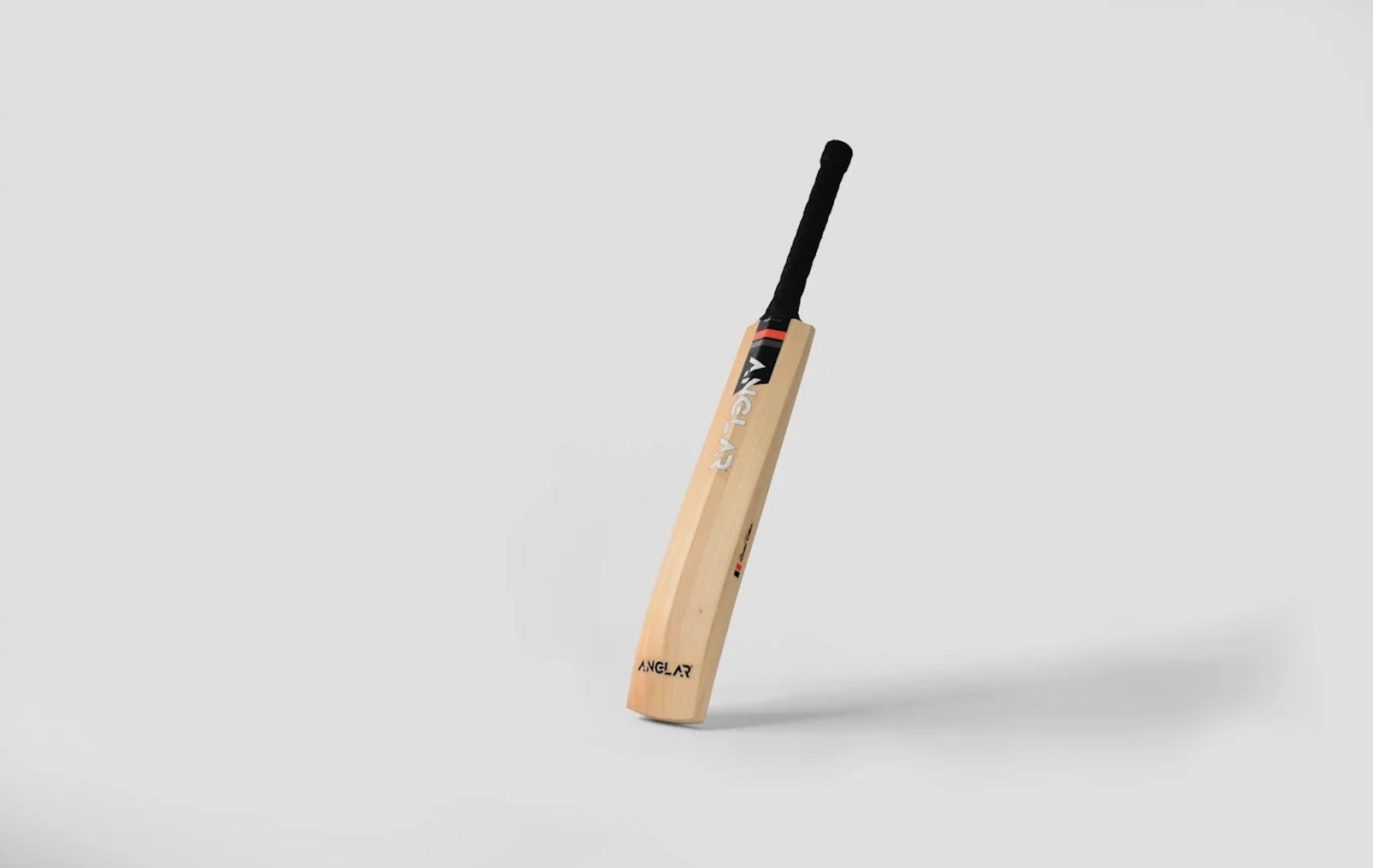
Batters usually play differently in matches because the conditions change. Nets offer repeated deliveries, no scoreboard and no fear of getting out. Matches bring pressure, real fielders and one chance per ball. Most players become more cautious, play fewer shots and rely on a bat they trust, such as an English willow cricket bat.
Why Does Your Batting Feel Different in a Match?
In the nets, a bad shot costs nothing. You get another ball in seconds. In a match, one mistake ends your innings, so your brain starts protecting your wicket instead of hitting the ball.
You will often notice these changes:
- Your feet move less because you are afraid of committing.
- You grip the bat harder, which stiffens your wrists.
- You watch the fielders more than the ball.
None of this means you are a worse player on match day. It means practice has not yet matched the pressure.
What Changes in the Nets Compared With a Match?
Nets are often narrow, the bowlers know your weaknesses, and pitches can be uneven or worn. Many net sessions also use a softer ball or bowling machines, so the pace and bounce feel different.
Match pitches are wider and usually better prepared. Bowlers change their plans over an over. Fielders are placed to block your favourite shots. You also face a new bowler every few overs, so you cannot settle into one rhythm.
Does the Bat Matter More in Matches?
It matters in a different way. In the nets, you can try a heavy bat or a new pick-up and shrug off a poor session. In a match, you want zero surprises.
The English willow bat is the traditional choice for serious cricket. It comes from a specific tree grown mainly in England, and players often choose it for its feel and performance off the middle. It also has limits. English willow needs regular care, can mark or crack if misused, and costs more than Kashmir willow. Prices vary a lot between makers, so check current listings directly rather than trusting a single figure.
If you play club or league cricket, ask yourself whether the extra cost suits your level. Many beginners are fine with a lighter, simpler bat while they build technique.
How Do Custom Cricket Bats in India Help?
Custom cricket bats in India let you pick the weight, pick-up, handle shape and sometimes the blade profile. Match day punishes a bat that feels slightly off, so a bat set up for your height and style can remove one source of doubt.
The tradeoff is time and cost. Custom orders take longer, and you cannot test every detail beforehand. Before ordering from any Indian cricket bat company, ask about the willow grade, how the bat is pressed, and what the return or repair policy covers. Make sure the dimensions follow the bat limits in the MCC Laws of Cricket, since a bat outside those limits can be refused in formal matches.
How Can You Practise Like You Play?
Small changes make nets feel closer to a match:
- Set a target before each session, such as surviving 20 balls, and treat getting out as final.
- Ask your bowler to change plans every over.
- Use your match bat for at least some sessions so you know how it behaves.
- Practise running between the wickets, not just hitting.
- Play practice matches with a scoreboard.
If you use English willow, knock the bat in properly first. A bat used before it is ready can chip, which defeats the purpose of preparing with it.
FAQs
- Why do I bat better in the nets than in matches?
Nets remove consequences. Matches add pressure, a single chance and tactical bowling, which tightens your movement and changes shot choice.
- Is an English willow cricket bat necessary for matches?
No, it is a popular choice for competitive players, but beginners can start with a more affordable bat and upgrade as their game develops.
- Are custom cricket bats India worth it?
They can be, if you know your preferred weight and balance. If you are still experimenting, a standard bat is a safer starting point.
- Should I use my match bat in practice?
Yes, at least in some sessions. Familiarity helps you trust it when pressure rises.
Wrapping up!
Match batting is as much about habits under pressure as it is about technique. Practise with consequences, choose equipment you understand, and treat an English willow cricket bat as one useful piece of a larger preparation plan.