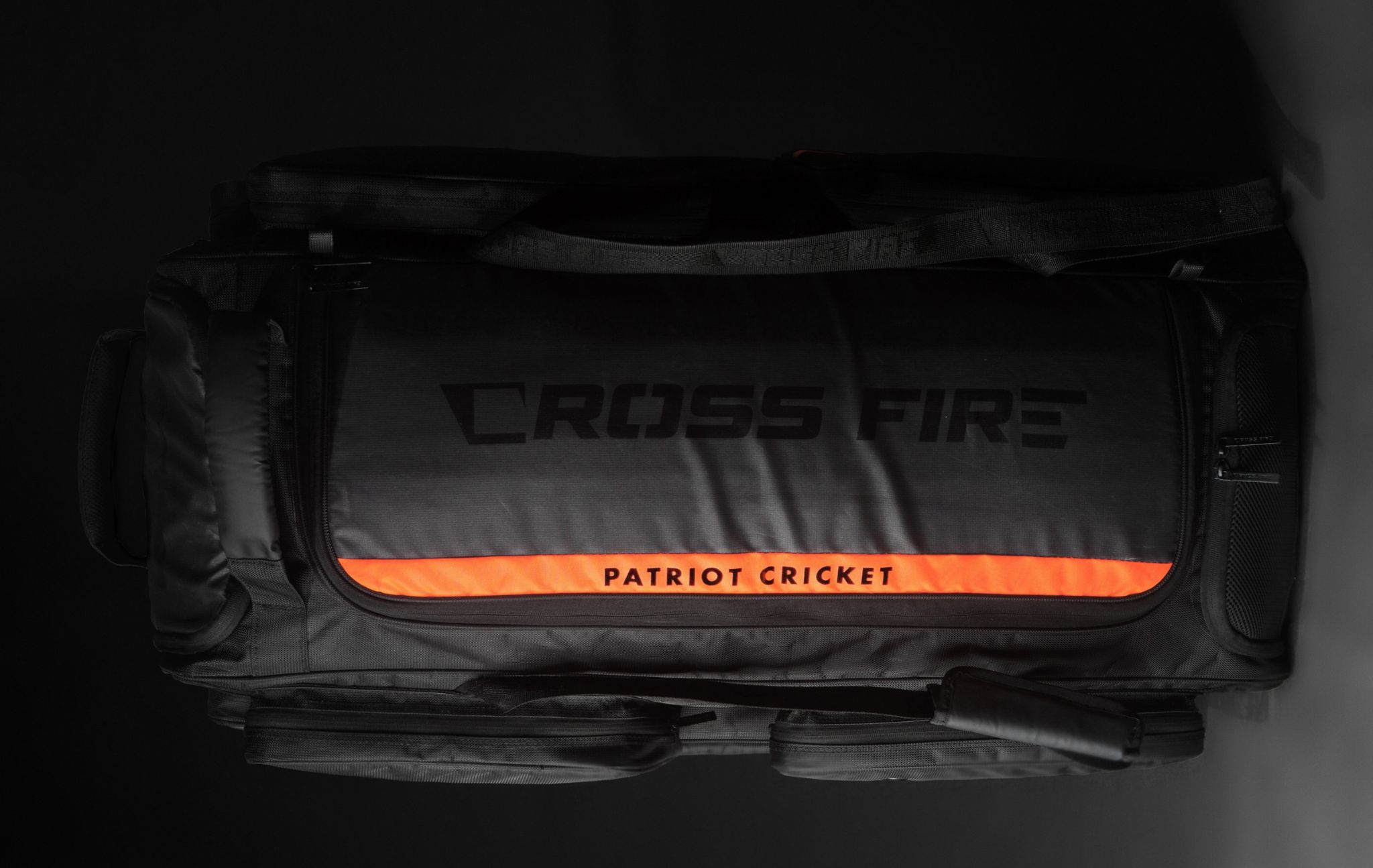
Professional cricketers generally organise their cricket kit bags by separating protective equipment, clothing, footwear, bats and essential accessories. The arrangement depends on their playing role, equipment requirements and travel needs.They organise items according to their playing role and the order in which they will need them. The aim is simple: protect important gear, find everything quickly and keep wet or dirty items away from clean equipment.
There is no single packing method used by every player. A wicketkeeper carries more equipment than a specialist batter, while an away match requires more clothing and personal items than a short practice session.
What Should Go in a Cricket Kit Bag?
Start with the equipment you cannot play safely without. For a batter, this normally includes:
- Match bat and an optional spare bat
- Helmet
- Batting pads and gloves
- Abdominal guard
- Thigh protection and any additional guards used
- Cricket shoes
- Playing clothes and spare socks
- Towel, water bottle and personal essentials
The Lord’s Performance Centre lists a bat, helmet, pads, gloves and a box among the protective equipment required for older participants using a hard cricket ball. Wicketkeepers also need keeping pads, wicketkeeping gloves and inner gloves. Bowlers may carry surface-appropriate footwear, spare laces and a towel for keeping their hands dry.
How Should the Equipment Be Organised?
Pack equipment according to weight, protection needs and how soon you will use it. Place bats in a dedicated sleeve or bat compartment. Keep the helmet in an area where heavy items cannot crush the grille. Pads can sit along the sides of the main compartment, while gloves and guards should remain together in a clean, dry section.
Shoes need their own compartment or a washable inner bag. This prevents mud, grass and moisture from transferring to gloves, clothing and bat grips. Small items such as keys, sunscreen, tape and spare grips should go into an accessible pocket. You should not need to empty the entire bag to find one small item.
What Changes When Packing for an Away Match?
For an away match, confirm the format, venue, weather and playing surface before packing. These details influence your footwear, clothing and spare-equipment choices. Add a change of clothes, extra socks, a warm or waterproof layer when required and enough personal items for the journey. Check your team’s travel plan before carrying drinks or other restricted items.
If travelling by air, verify the airline’s current baggage size, weight and security rules. A complete cricket kit bag set may exceed standard airline baggage allowances, particularly when it contains multiple bats and protective equipment, especially when it contains multiple bats and wicketkeeping equipment.
Duffle Cricket Kit Bag or Wheelie Bag?
A duffle cricket kit bag works well when you prefer backpack-style carrying and need to move through stations, changing areas or uneven spaces. However, a fully packed duffle can become uncomfortable if it places too much weight on your shoulders.
A wheelie bag is easier to move across smooth surfaces but can be awkward on stairs or rough ground. Some bags provide both shoulder straps and wheels. Anglar Sports states that its Black Arc and Wheelie Duffle models support backpack-style carrying and rolling. Its larger Dark Ranger is listed to hold up to four bats, two pairs of pads, three pairs of gloves, two thigh pads, one helmet and one pair of shoes.
Is a Cricket Kit Bag Small Enough for Practice?
A cricket kit bag small in size can suit short practice sessions if you only carry essential batting equipment. It is lighter and easier to transport, but it may not hold spare gear or wicketkeeping equipment. Anglar’s Compact Pro is designed for one bat, one pair of pads, gloves, thigh protection and either a helmet or shoes, plus smaller accessories.
How Should a Cricket Kit Bag for Adults Be Chosen?
A cricket kit bag for adults should match the player’s role, equipment volume and travel method. Check the compartment layout, carrying comfort, ventilation and protection for bats and helmets.
After practice or a match, remove wet clothing, muddy shoes and damp gloves. Air the bag and equipment before repacking. A well-organised cricket kit bag saves time, protects your gear and ensures the item you need is not buried at the bottom when play is about to begin.